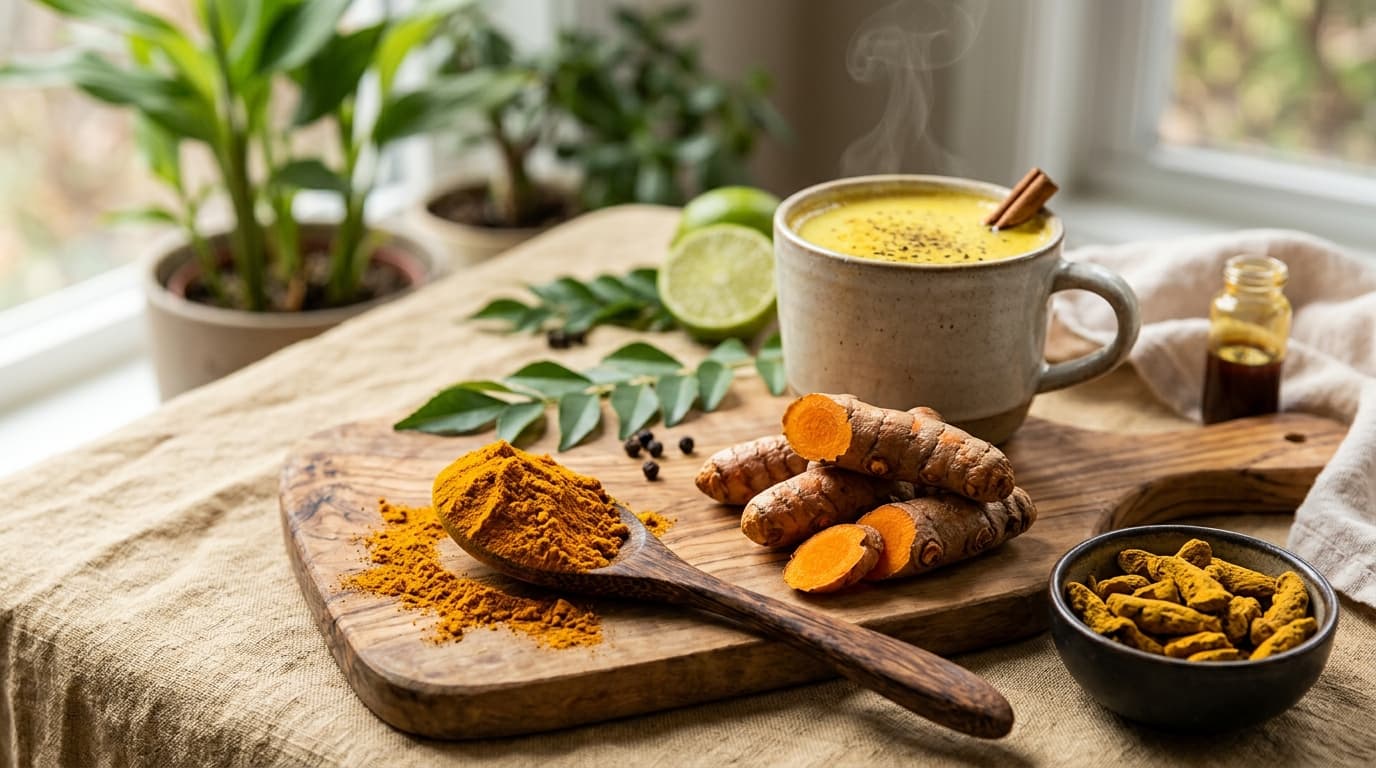
Using turmeric as a natural remedy is far from a modern trend. Integrative practices like Ayurveda and Traditional Chinese Medicine have relied on its therapeutic properties for thousands of years. Over the last few decades, clinical research has turned its focus toward validating what traditional healers knew long ago—specifically examining how curcumin interacts with human physiology. This article synthesizes findings from clinical studies and nutritional science to provide an honest, evidence-based look at turmeric’s strengths, its real-world limitations, and the most effective ways to incorporate it into your routine.
Evidence-Based Health Benefits
Sustaining Healthy Inflammation Response: Curcumin helps modulate key molecular pathways involved in systemic inflammation (such as NF-kB). As a result, it can offer meaningful relief for joint discomfort associated with osteoarthritis as well as inflammatory gut conditions.
Antioxidant Protection: It actively neutralizes free radicals while simultaneously stimulating the body’s internal antioxidant defense systems, slowing down cellular wear and oxidation.
Digestive Health Support: Turmeric encourages bile production in the liver, making lipid digestion smoother and helping ease common post-meal issues like bloating and fullness.
Cognitive Function & Brain Health: Emerging studies indicate that curcumin may boost levels of Brain-Derived Neurotrophic Factor (BDNF), a key protein that promotes nerve cell growth and supports long-term memory and mood regulation.
Downsides, Risks, and Side Effects
Low Bioavailability: In its natural form, curcumin is poorly absorbed by the human body. Most of what you consume is rapidly metabolized and excreted before it can enter the bloodstream.
Gastrointestinal Distress: Excessive doses—particularly from high-potency supplements—can lead to acid reflux, stomach cramps, nausea, or diarrhea.
Medication Interactions: High amounts of turmeric exhibit natural blood-thinning effects. Anyone currently taking blood thinners, diabetes medication, or acid reducers should consult a physician before using therapeutic doses.
Specific Health Contraindications: Individuals dealing with gallstones or bile duct obstructions ought to avoid high-dose turmeric supplements, as the spice stimulates gallbladder contractions.
The Bottom Line: How to Actually Maximize Turmeric’s Benefits
Turmeric is an exceptional dietary tool for fighting oxidative stress and supporting overall vitality, but it isn't a miracle cure. Because curcumin is fat-soluble and inherently difficult for the body to absorb, the secret lies in smart pairing. Combining turmeric with a source of healthy fat (like extra virgin olive oil, tahini, or coconut oil) along with a pinch of black pepper dramatically increases absorption. The piperine found in black pepper has been shown to boost curcumin bioavailability by up to 2,000%.
5 Practical & Healthy Turmeric Recipes
1. Golden Milk for Evening Relaxation
Ingredients: 1 cup plant milk (almond or oat), ½ tsp ground turmeric, ¼ tsp cinnamon, pinch of black pepper, 1 tsp coconut oil, optional touch of honey.
Preparation: Combine all ingredients in a small saucepan over low heat. Warm gently for 5 minutes without bringing to a boil, whisk well until smooth, and serve warm.
2. Creamy Lemon-Turmeric Tahini Dressing – For Maximum Absorption & Immune Support
(Health Benefit: Tahini provides healthy fats that significantly enhance curcumin absorption, while fresh lemon juice adds vitamin C for immune system support).
Ingredients: ½ cup raw tahini, ½ cup cold water, juice of ½ lemon, 1 tsp ground turmeric, 1 minced garlic clove, pinch of black pepper, sea salt to taste.
Preparation: Whisk all ingredients together in a bowl until smooth and creamy. Drizzle over roasted vegetables or fresh greens.
3. Golden Basmati Rice with Herbs – For Soothing Digestion & Reducing Bloating
(Health Benefit: Basmati rice is gentle on digestion, while the combination of turmeric and extra virgin olive oil helps soothe gut inflammation).
Ingredients: 1 cup rinsed basmati rice, 1 tsp ground turmeric, 1 tbsp extra virgin olive oil, ¼ tsp black pepper, 1 tsp salt, 2 cups boiling water, handful of freshly chopped parsley.
Preparation: Sauté the rice and spices in olive oil for one minute. Pour in boiling water, cover, and simmer on low for 15 minutes. Stir in fresh parsley right before serving.
4. Spiced Red Lentil & Turmeric Soup – For Antioxidant Defense & Plant Protein
(Health Benefit: Rich in plant-based protein and dietary fiber; ground cumin and turmeric work together to ease digestion and reduce bloating).
Ingredients: 1 cup red lentils, 1 chopped onion, 2 diced carrots, 1 tsp ground turmeric, 1 tsp ground cumin, ¼ tsp black pepper, 4 cups water, 1 tbsp olive oil.
Preparation: Sauté onion and carrots in olive oil until soft. Add lentils and spices, pour in water, and simmer for 25 minutes until tender. Blend until smooth if desired.
5. Roasted Root Vegetables with Olive Oil & Turmeric – For Fighting Oxidative Stress & Balanced Blood Sugar
(Health Benefit: Loaded with essential micronutrients; slow-roasting with olive oil preserves antioxidants and keeps blood sugar steady).
Ingredients: Cubed butternut squash, carrots, and kohlrabi; 2 tbsp extra virgin olive oil, 1 tsp ground turmeric, ½ tsp dried thyme, pinch of black pepper, coarse sea salt.
Preparation: Toss vegetables thoroughly with oil and spices. Spread evenly across a baking sheet and roast at 400°F (200°C) for 35 minutes until golden brown.