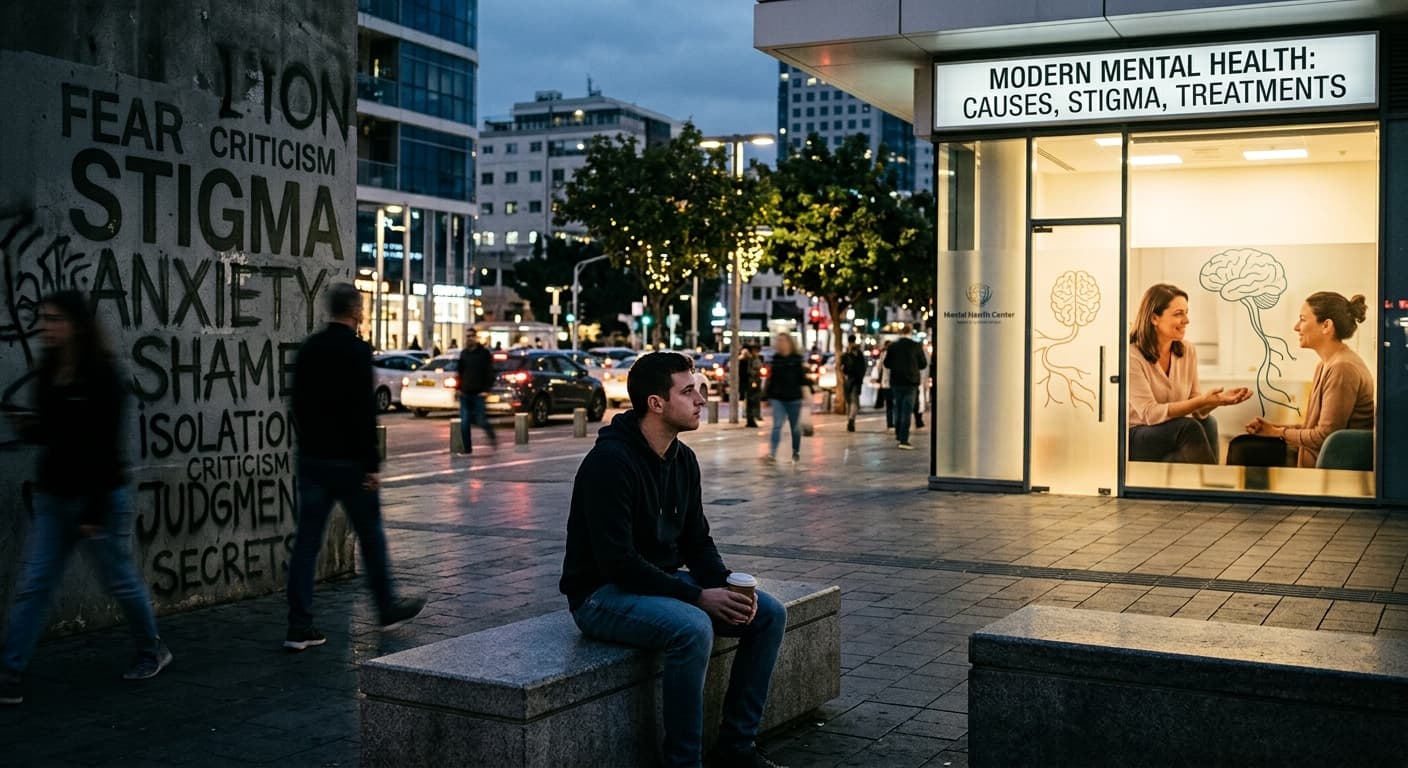
Not long ago, a psychiatric diagnosis carried a heavy social stigma, forcing many individuals to cope with emotional distress in isolation. Today, the global conversation around mental health is undergoing a profound transformation. Society is increasingly recognizing that psychological well-being is inseparable from physical health, and that emotional struggles are a natural, human experience rather than a personal failing.
Stigma, Awareness, and the Social Reality
Modern culture presents a complex picture when it comes to mental illness. On one hand, awareness campaigns and social media have normalized open discussions about anxiety, burnout, and depression. High-profile athletes and public figures share their therapy journeys, reframing help-seeking behavior as a sign of strength rather than weakness.
On the other hand, more severe or complex conditions—such as schizophrenia, bipolar disorder, or personality disorders—still face deep-rooted prejudice. Many individuals encounter subtle discrimination in employment, housing, and personal relationships. Furthermore, while the fast pace of contemporary life increases daily stress, public healthcare systems often struggle to provide timely, affordable access to care.
Root Causes: What Drives Mental Health Conditions?
Clinical research views mental health through a biopsychosocial framework, recognizing that conditions rarely stem from a single source, but rather from an interplay of factors:
Biological and Genetic Factors: Hereditary traits, neurotransmitter imbalances (such as serotonin, dopamine, or norepinephrine), and neuroinflammatory responses that alter brain function.
Life Experiences and Trauma: Adverse childhood events, loss, chronic stress, or physical trauma that disrupt emotional regulation mechanisms.
Environmental and Cultural Pressures: Social isolation, weak community support networks, workplace strain, and heavy social media consumption that amplifies social comparison.
Modern Solutions: Leading Approaches to Care
Treatment today has moved away from rigid, "one-size-fits-all" approaches toward personalized, multidimensional care:
Targeted Psychotherapy: Alongside traditional psychodynamic therapy, structured modalities like Cognitive Behavioral Therapy (CBT), Dialectical Behavior Therapy (DBT), and EMDR offer practical tools for cognitive reframing and trauma processing.
Advanced Pharmacology & Clinical Research: Newer medications feature improved side-effect profiles, while clinical research into controlled psychedelic-assisted therapy (such as psilocybin and MDMA) shows promising results for treatment-resistant conditions under strict clinical supervision.
Therapeutic Technology: Digital health platforms, telehealth, and non-invasive brain stimulation techniques—such as Transcranial Magnetic Stimulation (TMS)—provide effective options for symptom management.
Mind-Body & Lifestyle Medicine: Integrating mindfulness practices, nutrition, regular physical exercise, and sleep hygiene directly into formal treatment plans.
Key Recommendations:
Effective recovery begins with early recognition and seeking professional evaluation without delay. Alongside clinical support, building a reliable personal network, establishing consistent daily routines, and managing digital consumption are vital for long-term emotional resilience. As society replaces judgment with empathy and structural support, more people will find a clear, accessible path toward healing.