The Nighttime Repair Shop: How Quality Sleep Heals Your Body
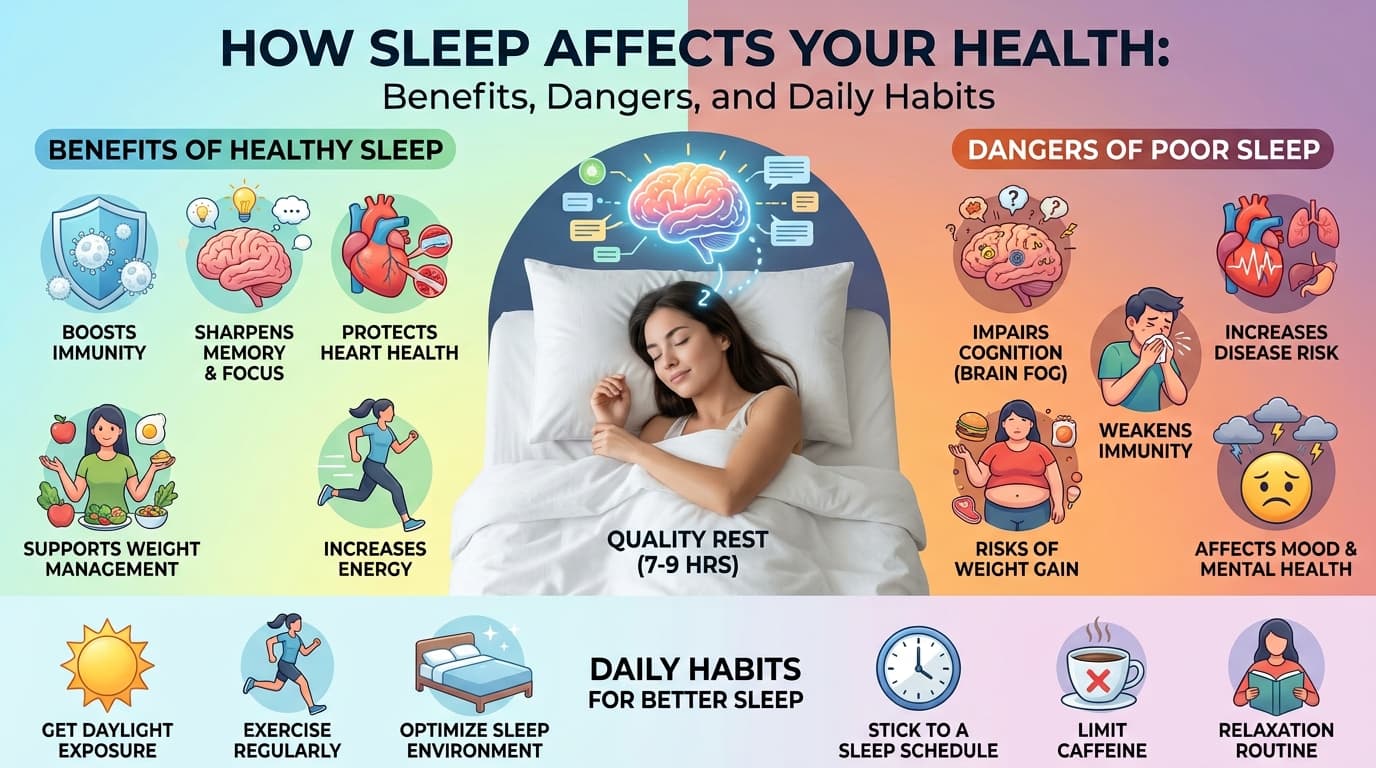
When you close your eyes and fall asleep, your brain and body kick off a complex series of physiological processes. During deep sleep and REM (dreaming) sleep, your system runs heavy-duty maintenance that simply can't happen when you're awake:
Brain detox and memory lock-in: While you sleep, your brain’s waste-clearing system (the glymphatic system) goes to work, flushing out metabolic waste and junk that built up during the day. Meanwhile, your brain sorts through your day's experiences, tossing out irrelevant details and locking key moments into long-term memory.
Immune system reboot: During sleep, your body releases proteins called cytokines, which are essential for fighting off infections and keeping inflammation at bay. Good sleep boosts antibody performance and helps you bounce back faster if you do catch something.
Hormone and metabolism balance: Sleep keeps your hunger hormones—leptin and ghrelin—in check. Getting enough rest keeps your metabolism running smoothly, helps process sugars efficiently, and lowers stress hormones like cortisol.
Heart and cardiovascular rest: During deep sleep, your heart rate and blood pressure naturally drop. This gives your cardiovascular system a much-needed break to repair itself and release the tension built up throughout the day.
The Hidden Cost: What Happens When You Don't Get Enough Sleep
It’s easy to treat sleep like extra currency you can spend on work, studying, or catching up on shows. But running on low or irregular sleep takes a real toll on both body and mind:
Higher risk of chronic conditions: Studies consistently show that people who regularly get under 7 hours of sleep a night face a much higher risk of high blood pressure, heart disease, stroke, and type 2 diabetes.
Weight gain and metabolic chaos: Sleep deprivation spikes ghrelin (the hormone that makes you feel hungry) and suppresses leptin (the hormone that tells you you're full). That's why sleepless nights usually lead to intense cravings for high-calorie, sugary foods.
Brain fog and real safety risks: Running on short sleep tanks your reaction time, focus, and decision-making abilities. In fact, driving while exhausted can impair your brain just as much as driving drunk.
Toxic build-up in the brain: Interrupted or poor-quality sleep stops your brain from clearing out toxic proteins like beta-amyloid, which over time is linked to cognitive decline and neurodegenerative issues.
Mood swings and mental health struggles: Chronic sleep loss wrecks your ability to handle stress, triggering anxiety, irritability, and mood swings. It’s also one of the biggest risk factors for depression.
Sleep Across the Lifespan: What Your Body Needs at Every Stage
Sleep isn't one-size-fits-all—how much you need and what it does for you evolves over time:
Age GroupRecommended SleepKey Functions & BenefitsKids & Teens8–12 hours per dayGrowth & Brain Development: Most growth hormone (GH) is released during deep sleep. Essential for building strong bones and muscles, wiring the brain, boosting learning capacity, and managing emotions in school.Adults7–9 hours per nightResilience & Burnout Prevention: Protects against chronic stress, repairs muscles, supports metabolic health, keeps your mind sharp, and acts as a primary line of defense against heart issues.Seniors / Older Adults7–8 hours per nightMemory Protection & Balance: Keeps the mind clear, helps shield brain cells from decline, strengthens immunity, and improves motor coordination to reduce the risk of falls.
4 Practical Habits to Upgrade Your Sleep Tonight
If you want to turn the science into everyday practice, here are four simple habits you can start using tonight:
1. Lock in a consistent "sleep window"
Your body relies on a natural internal clock known as the circadian rhythm. Try going to sleep and waking up at the exact same time every day—yes, even on weekends. Keeping a steady routine solidifies your body's natural sleep-wake cycle, making it easier to fall asleep fast and stay asleep.
2. Set a "no-screen cutoff" 60 minutes before bed
The blue light coming off your phone, tablet, or TV tricks your brain into thinking it’s still daytime, blocking the release of melatonin (your natural sleep hormone). Turn off the screens an hour before bed and wind down with a book, some light journaling, or relaxing music instead.
3. Practice the 4-7-8 breathing method
To shift your nervous system from "fight-or-flight" mode into deep relaxation, try this simple breathing routine once you're in bed:
Inhale quietly through your nose for 4 seconds.
Hold your breath for 7 seconds.
Exhale slowly and completely through your mouth for 8 seconds.
Repeat this cycle 4 to 5 times. It slows your heart rate and melts away built-up physical tension.
4. Dial in your bedroom environment (Cool, dark, quiet)
Turn your bedroom into a sanctuary meant purely for sleep:
Temperature: Keep the room cool, ideally around 65–68°F (18–20°C). A slight drop in core body temperature is a natural biological trigger for sleepiness.
Darkness & Quiet: Use blackout curtains or an eye mask, and grab a pair of earplugs or a white noise machine if needed.
Mindset: Reserve your bed strictly for sleep and rest. Avoid working or watching TV in bed so your brain makes a strong, immediate connection between the mattress and sleep.