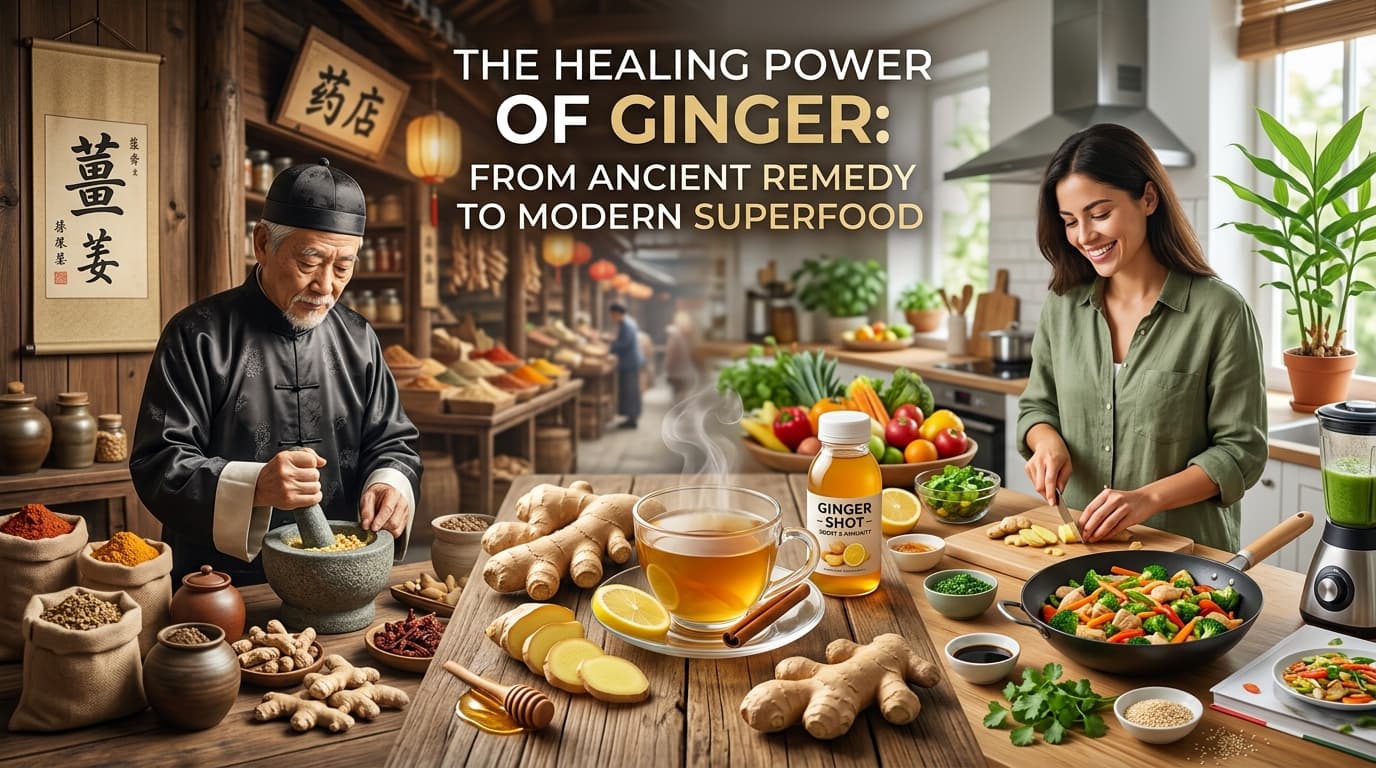
From East Asia to Your Kitchen: Where Ginger Comes From
Ginger is a subterranean rhizome belonging to the Zingiberaceae family, which also includes turmeric and cardamom. Native to the tropical rainforests of Southeast Asia, it served as both a staple seasoning and a cornerstone of traditional Indian (Ayurveda) and Chinese medicine for thousands of years.
It was among the very first spices exported from Asia to Europe along ancient trade routes. Ancient Greeks and Romans prized it for its ability to preserve food and settle the stomach, making it a rare and valuable commodity in the era before refrigeration.
Health Benefits: What Makes It a True Superfood?
Modern science continues to back up many of ginger's traditional uses. Clinical studies show it’s exceptionally effective at easing nausea of all kinds—from morning sickness during pregnancy and motion sickness on trips to side effects from chemotherapy.
Beyond nausea, ginger packs powerful anti-inflammatory properties. Regular intake helps reduce muscle soreness after workouts and provides relief from chronic joint pain. Controlled trials also point to its ability to help manage blood sugar levels, lower cholesterol, and improve overall digestion by speeding up stomach emptying.
The Chemistry of Recovery: Why Ginger Beats the Common Cold
Ginger's secret lies in its unique chemical breakdown. The main active compound in fresh ginger root is gingerol, a molecule responsible for its signature spicy kick. When the root is heated or dried, gingerol undergoes a chemical transformation into shogaol, a compound considered even more potent.
When you're dealing with a cold or the flu, these compounds work across several key fronts:
Boosting Circulation and Body Warmth: Ginger is thermogenic, meaning it generates internal heat. It dilates peripheral blood vessels, induces mild sweating, and helps the body shake off chills.
Blocking Inflammatory Pathways: Gingerol inhibits COX-2 enzymes and inflammatory cytokines, reducing swelling and congestion in the throat and nasal passages.
Antimicrobial Action: Lab studies show that the essential oils in fresh ginger can inhibit respiratory viruses (like HRSV) and prevent bacteria from adhering to mucosal linings, while helping thin out mucus and soothe a stubborn cough.
Is Ginger Always Safe?
While ginger is completely safe for most people, consuming excessive amounts (more than 4 grams a day) can cause mild side effects like heartburn, stomach irritation, or diarrhea.
A few specific situations call for extra caution:
Blood Thinners: Ginger has mild anti-platelet effects. Combining large doses with medications like aspirin or warfarin warrants a quick check-in with your doctor.
Gallstones: Ginger stimulates bile production, which can cause discomfort or trigger an episode in people with gallstones.
Before Surgery: It’s best to stop taking high-dose ginger supplements two weeks prior to any scheduled surgical procedure.
Three Easy Ways to Use Ginger Today
1. Warming Golden Cold-Relief Tea
Ingredients: 1 inch fresh ginger root (thinly sliced), 1 cup boiling water, 1 tbsp fresh lemon juice, 1 tsp raw honey, 1 cinnamon stick.
How to make: Place the ginger slices and cinnamon stick in a mug, pour in boiling water, and cover for 10 minutes (covering keeps the beneficial essential oils from evaporating). Stir in lemon juice and honey, let cool slightly, and sip slowly.
2. Daily Immunity Ginger Shot
Ingredients: 2 oz peeled fresh ginger, fresh juice of 1 orange, fresh juice of half a lemon, a pinch of turmeric, and a pinch of black pepper.
How to make: Blend all ingredients in a high-speed blender until smooth. Strain through a fine-mesh sieve and drink as a concentrated morning shot. Store in a sealed glass bottle in the fridge for up to 3 days.
3. Ginger-Soy Vegetable Stir-Fry
Ingredients: 2 tbsp finely minced ginger, 2 cloves garlic (minced), 3 tbsp soy sauce, 1 tbsp sesame oil, 1 tbsp honey or date syrup, mixed chopped vegetables (broccoli, carrots, bell peppers), and diced tofu or chicken breast.
How to make: Heat oil in a skillet or wok over medium-high heat. Sauté the ginger and garlic for 30 seconds until fragrant. Add your protein and vegetables, stir-fry until tender-crisp, then toss with soy sauce and sweetener for one final minute.